Since our beginning in 2010, we have used a mixed-methods approach to researching and documenting our impact.
Qualitative Research
Enhanced capacity of health workers.
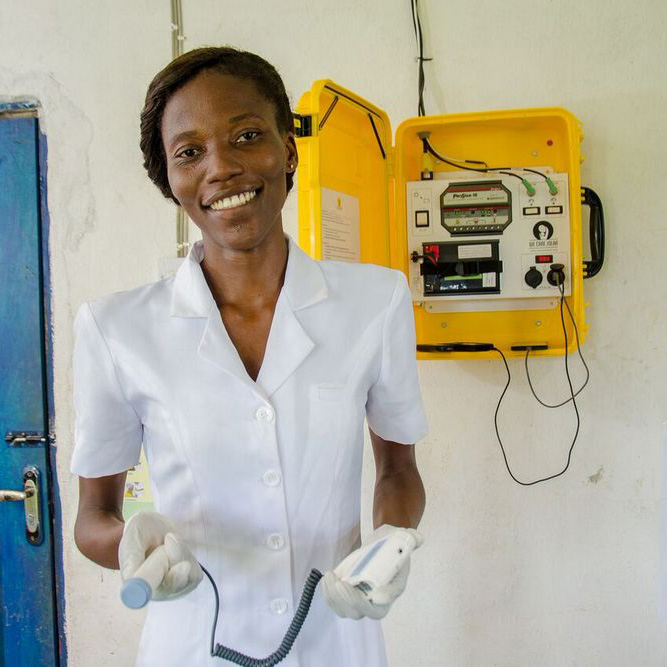
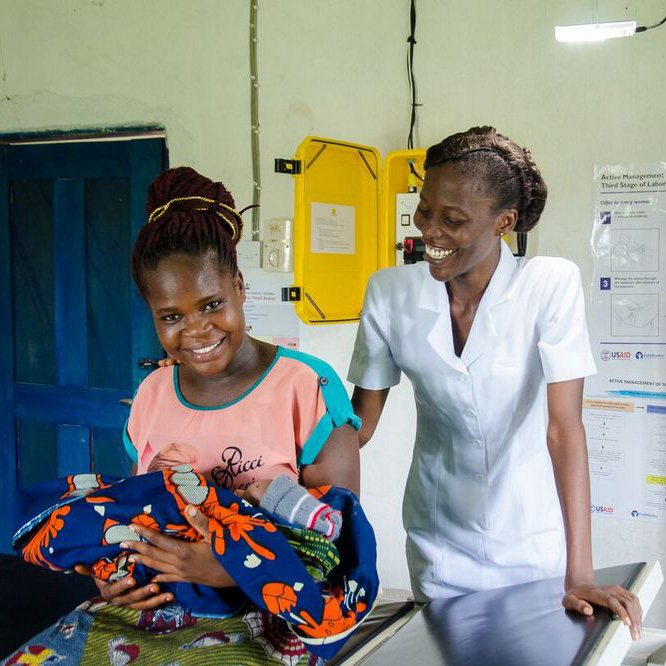
Through observations, surveys, and more than 1,200 in-depth interviews, we have evidence that the Solar Suitcase substantially improves the capacity to conduct basic and comprehensive emergency obstetric care, enhances health worker morale, and increases patient health-seeking behavior. The introduction of overhead LED lights, headlamps, phone chargers and fetal Dopplers to energy-deficient health centers enables health workers to work more effectively and efficiently.
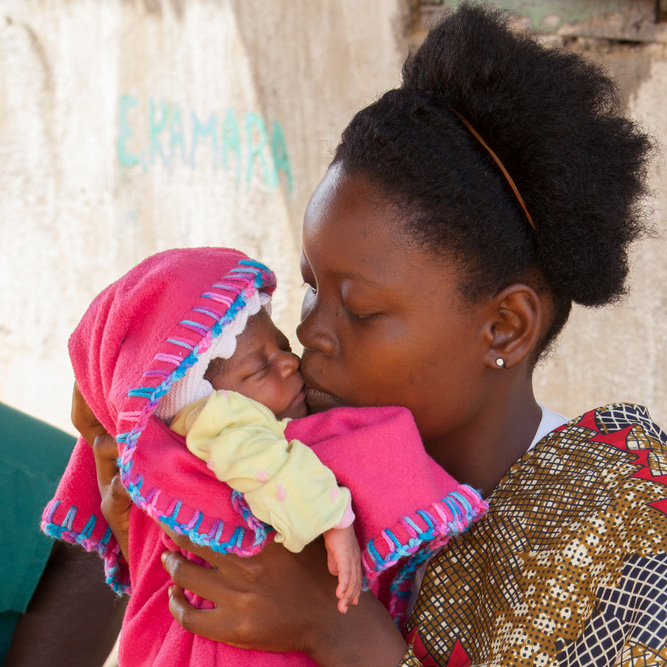
The Solar Suitcase was included as a key intervention in several comprehensive maternal-newborn programs in partnership with many health-focused organizations, including AMREF, Pathfinder International, Jhpiego, One Heart World-Wide, and Hamlin College of Midwives. As a result of these comprehensive interventions, we have seen increased use of the facility and reductions in maternal and newborn mortality.
Randomized control trials are considered the gold standard in research. In 2018-2020, we hired external evaluators Harvard School of Public Health and Innovations for Poverty Action (IPA) to conduct a randomized control trial of the Solar Suitcase intervention as a solitary intervention. Before the intervention, providers on average performed 42% of essential care actions and accumulated 76 minutes of delays during nighttime deliveries. After installation, quality increased and delays in care decreased , with the largest impacts on infection control, prevention of postpartum hemorrhage, and newborn care practices.
Our education program was included in a multi-program study examining the underrepresentation of Māori in STEM and energy-related fields. The research identifies a critical visibility gap that can affect self-belief, motivation, and career aspirations among rangatahi Māori. As a result of these comprehensive interventions, greater visibility and hands-on experiences support stronger self-belief and connection to STEM pathways, helping to build sustained engagement and interest in future opportunities.
An evaluation by The Lawrence Hall of Science explored how our education program supports student engagement in STEM, using identity markers and pre- and post-program measures. Students new to solar energy systems showed significant gains in content understanding after participating.
A team of educators and researchers from The Lawrence Hall of Science, in collaboration with our education program, the Alameda Boys & Girls Club, and Girls Inc. of the Island City, designed and implemented the YESS summer camp. Findings show that intentionally designed STEM programs can strengthen students’ sense of belonging in STEM and support sustained interest in STEM pathways.
We use cookies to enhance your experience on our website, analyze site usage, and support our marketing efforts. By continuing to browse or by clicking “Accept All,” you agree to our use of cookies.