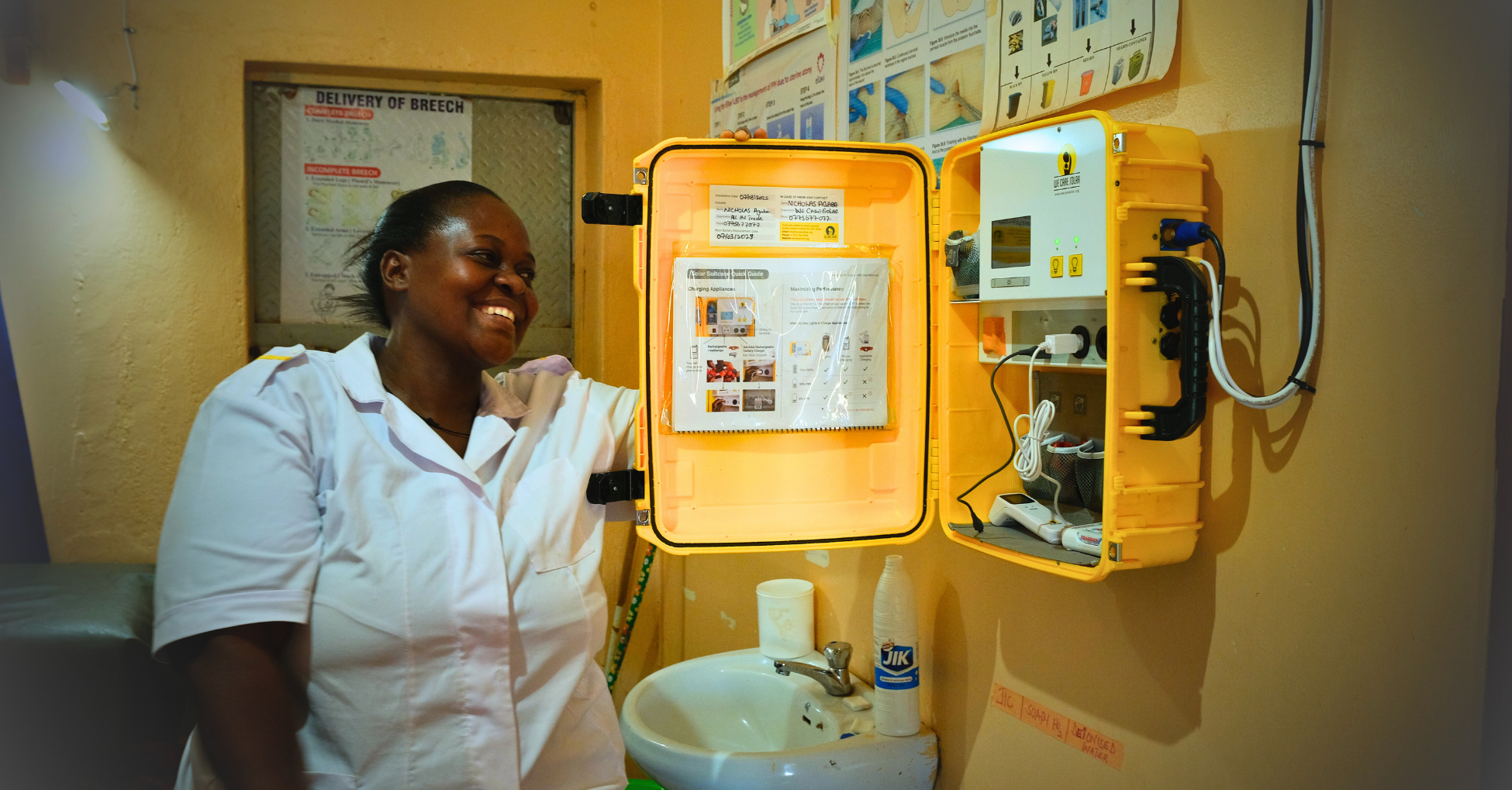
I arrived back in Zaria on Thursday after a demanding set of flights, and a very long car ride. I made my way to Kofan Gayan hospital and was pleased to see that the lights and blood bank refrigerator were working. The staff recounted various ways in which the system had improved care…
1) The midwives were able to immediately contact the on-call physicians and emergency surgery staff. The hours of delays that were previously characteristic were stories from the past. Women could get attention from appropriate health care providers when they needed it.
2) The midwives no longer needed to refer critically ill patients to other hospitals. The electricity and communication system meant that emergency cases could be accommodated 24 hours a day.
3) Cesarean sections could occur without hours of delays, and this meant less stillbirths were occurring.
4) The blood bank is able to store blood for the first time, and transfusions have increased. In fact, the teaching hospital, which is absolutely huge, has sometimes requested blood from this much smaller government hospital.
5) One nurses told me that there was one maternal death in the last month. She compared this to the hospital experience in the months before the solar electric system when as many was 10 – 15 deaths might occur. This seems too dramatic an improvement to believe, and I certainly need to verify her statement by looking through the hospital records, but if she is even partially correct, it means that our interventions may very well be saving many lives!
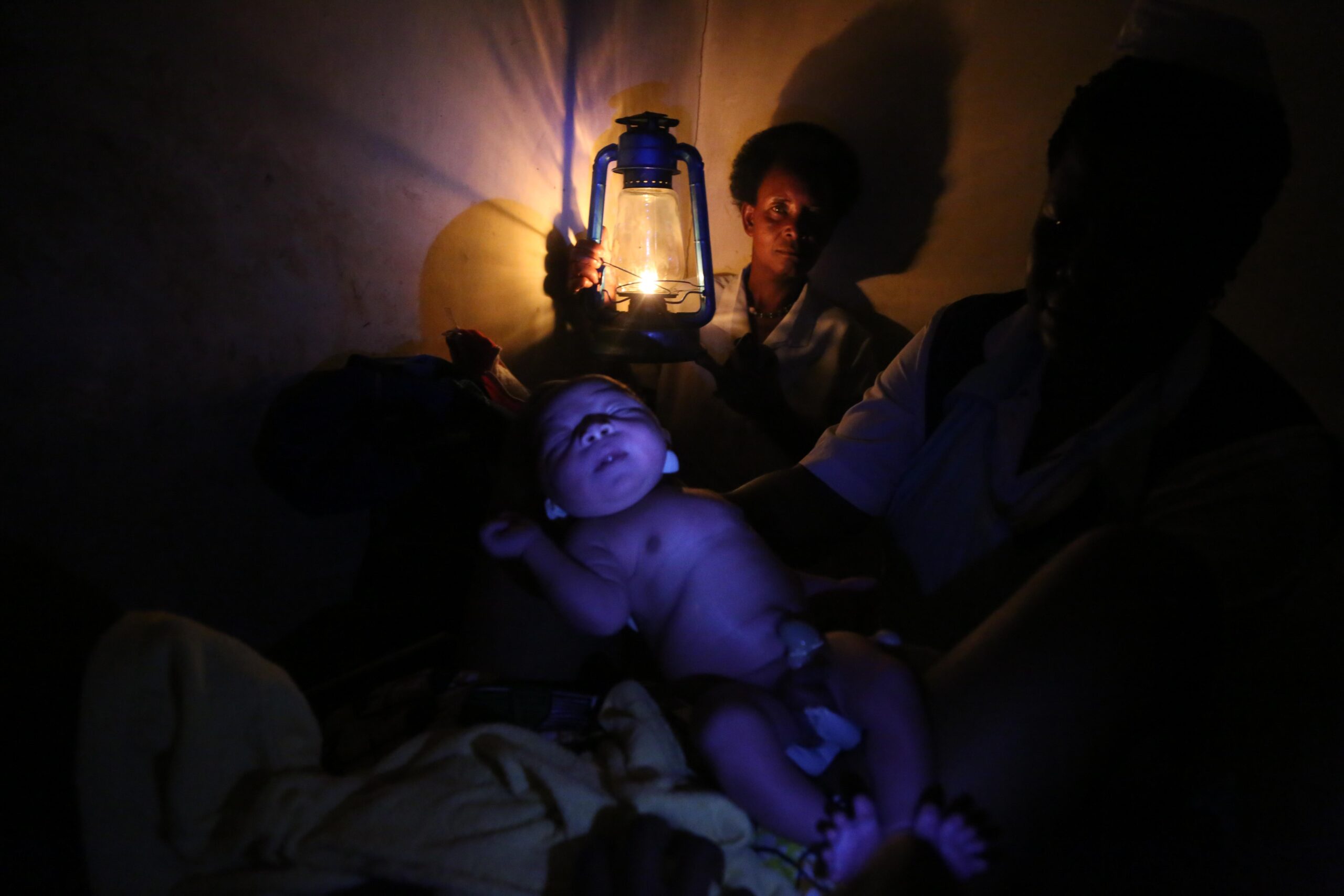
In addition, staff members have told me that the working in the hospital is much less stressful, and that they are happy they can do the job they were trained to do! A number of staff have said they feel so much better not having to turn patients away from the hospital. One midwife told me she always fears the dark, and she enjoys coming to a brightly lit work environment at night. A surgical technician told me that he no longer feels angry at work, something he felt regularly when he had to cancel surgeries due to lack of light or gauze.
There was one unexpected development, however. The hospital director replaced the walkie-talkies with cell phones after several weeks, not because of any problems with the walkie-talkies, per se, but because there were funds made available to put all of the hospital wards on one communication system. This is the first time ever that the hospital has had mobile communication in all of the wards, and the staff credits the WE CARE Solar interventions with this new change of events. I will be taking our two-way radios to another facility that has no communication, and hopefully helping the new facility to achieve some of the successes that Kofan Gayan has achieved.
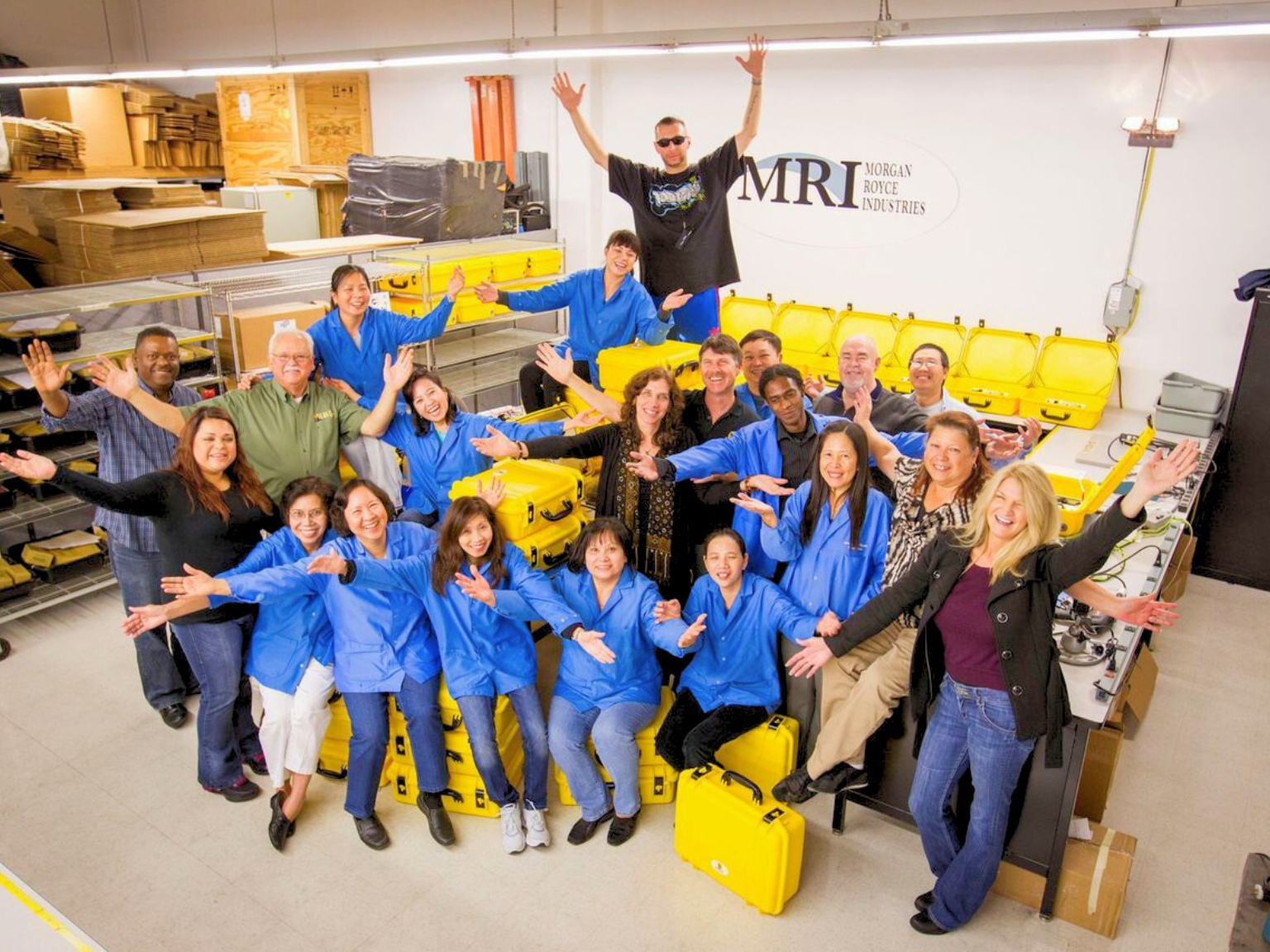
Thanks to all who have played a role in this project! It takes a village to help a village….